
Trainer-Led Kidpower Skills Practice Sessions
You will leave each session with:
-
Strategies to teach positive communication and personal safety skills to children and youth.
-
First-hand experience with Kidpower’s Positive Practice Teaching Method.
-
Skills to present and teach lessons for that month's topic along with coaching in small groups with experienced instructors.
-
A digital Kidpower Skills Practice Guide containing the practices used in the live session so you can use them to lead skills practices with children and youth yourself.
Monthly Topics: À La Carte Menu
Stop Unwanted/Unsafe Touch, Play & Attention
THURSDAY | January 21, 2026
TUESDAY | January 26, 2026
Be Persistent in Getting Help for Safety
TUESDAY | February 23, 2026
THURSDAY | February 25, 2026
Prevent and Stop Bullying
TUESDAY | March 23, 2026
THURSDAY | March 25, 2026
Stay Safe in Public and With Strangers
TUESDAY | April 20, 2026
THURSDAY | April 22, 2026
How to Manage Emotions to Make Safer, Wiser Choices
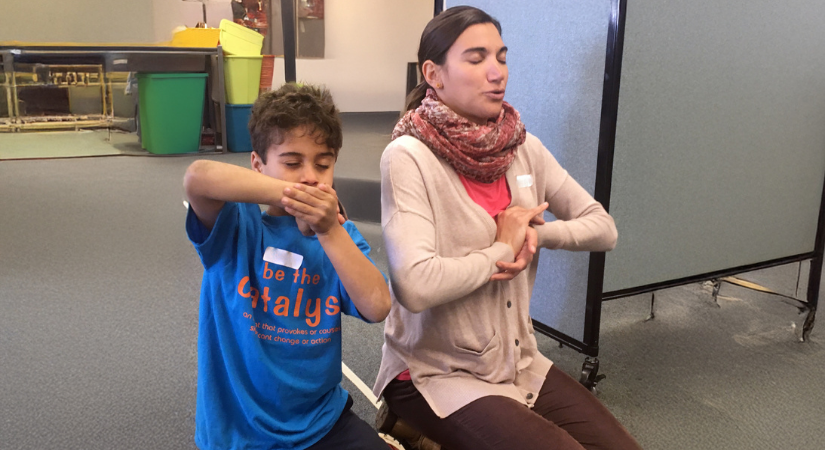
TUESDAY | May 18, 2026
THURSDAY | May 20, 2026
How to Avoid and Escape an Attack
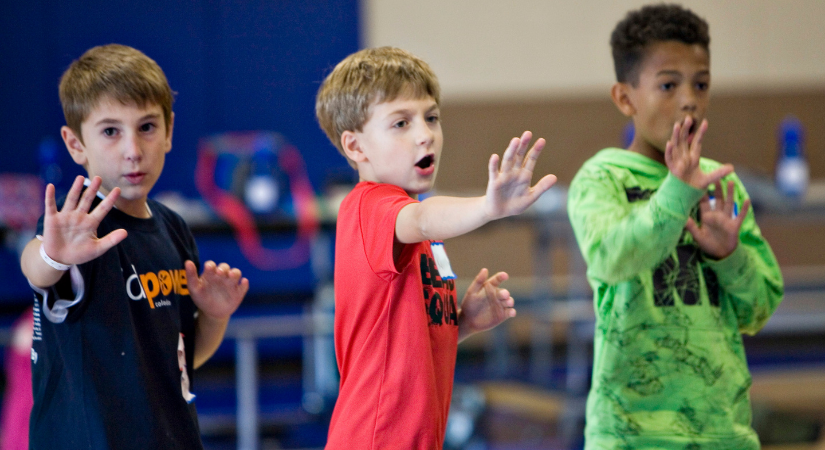
TUESDAY | June 15, 2026
THURSDAY | June 17, 2026
Monthly Topics: À La Carte Menu
Stay Aware, Calm, Respectful & Confident
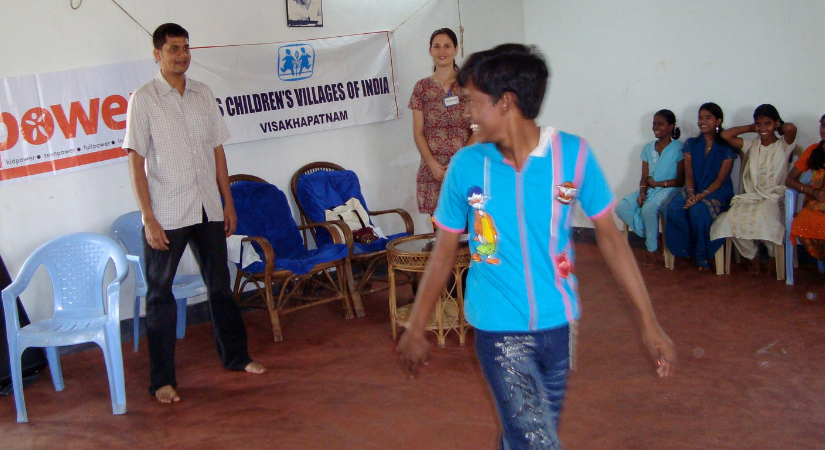
Move Away From Trouble
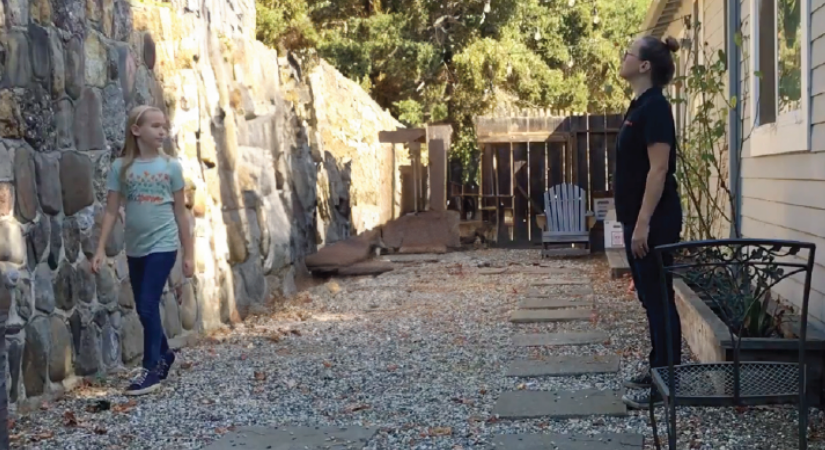
Protect Your Feelings From Hurtful Words
Set and Respect Boundaries
Schedule & Details
Check your local time
Thursday, September 17, 1:00 to 3:00 pm Pacific (North America)
Check your local time
Stop Unwanted/Unsafe Touch, Play & Attention
Be Persistent in Getting Help for Safety
Prevent and Stop Bullying
Stay Safe in Public and With Strangers
How to Manage Emotions to Make Safer, Wiser Choices
How to Avoid and Escape an Attack
Apply to our in-depth Training of Practitioners program
Join the program at any time during the training cycle.
Learn how to teach Kidpower personal safety and positive communication skills to children, youth, and their adults with:
- Trainer-led live skills practice sessions
- Extensive videos and curriculum workbooks
- Ongoing support in how to use these lessons in your personal life and professional activities
What the TOP Program Provides
Teach Empowering Safety Skills to Kids
The Kidpower Training
of Practitioners (TOP) program is an online professional training that prepares
educators, counselors/therapists, parents, and youth-serving leaders to teach effective and empowering personal safety
and positive communication skills to children and youth.
In each live, monthly skills practice sessions, you learn from talented trainers how to present and coach skills to children, youths, and their adults in ways that support your success at leading Kidpower lessons that build your students' confidence, competence and reduce their anxiety.
Use Time-Tested Teaching Methods & Tools
Each topic also includes an illustrated workbook,
videos showing how skills are taught, and additional resources. You can join
anytime and will receive ongoing support in how to use these lessons with your
students, clients, organization, school, or family.
Gain proficiency in using the Kidpower Positive
Practice Method - so you can confidently coach young people to set and respect
boundaries, stay safe from bullying and hurtful words, recognize and move away
from trouble, persist in getting help, and make wise choices to prevent and
solve problems with people.

Connect with us
Stay Aware, Calm, Respectful & Confident
• Tuesday, September 15 from 7:00 to 9:00 am Pacific
• Thursday, September 17 from 1:00 to 3:00 pm Pacific
October 2026
Move Away from Trouble
• Tuesday, October 20 from 7:00 to 9:00 am Pacific
• Thursday, October 22 from 1:00 to 3:00 pm Pacific
November 2026
Protect Your Feelings From Hurtful Words
• Tuesday, November 17 from 7:00 to 9:00 am Pacific
• Thursday, November 19 from 1:00 to 3:00 pm Pacific
December 2026
Set and Respect Boundaries
• Tuesday, December 15 from 7:00 to 9:00 am Pacific
• Thursday, December 17 from 1:00 to 3:00 pm Pacific
January 2027
Stop Unwanted or Unsafe Touch, Play, and Attention
• Thursday, January 21 from 1:00 to 3:00 pm Pacific
• Tuesday, January 26 from 7:00 to 9:00 am Pacific
February 2027
Be Persistent in Getting Help for Safety
• Tuesday, February 23 from 7:00 to 9:00 am Pacific
• Thursday, February 25 from 1:00 to 3:00 pm Pacific
March 2027
Prevent and Stop Bullying
• Tuesday, March 23 from 7:00 to 9:00 am Pacific
• Thursday, March 25 from 1:00 to 3:00 pm Pacific
April 2027
Stay Safe in Public and With Strangers
• Tuesday, April 20 from 7:00 to 9:00 am Pacific
• Thursday, April 22 from 1:00 to 3:00 pm Pacific
May 2027
How to Manage Emotions to Make Safer, Wiser Choices
• Tuesday, May 18 from 7:00 to 9:00 am Pacific
• Thursday, May 20 from 1:00 to 3:00 pm Pacific
June 2027
How to Avoid and Escape an Attack
• Tuesday, June 15 from 7:00 to 9:00 am Pacific
• Thursday, June 17 from 1:00 to 3:00 pm Pacific
Thursday, September 17 from 1:00 to 3:00 pm Pacific
Thursday, October 22 from 1:00 to 3:00 pm Pacific
Thursday, November 19 from 1:00 to 3:00 pm Pacific
Thursday, December 17 from 1:00 to 3:00 pm Pacific
Tuesday, January 26 from 7:00 to 9:00 am Pacific
Thursday, February 25 from 1:00 to 3:00 pm Pacific
Thursday, March 25 from 1:00 to 3:00 pm Pacific
Thursday, April 22 from 1:00 to 3:00 pm Pacific
Thursday, May 20 from 1:00 to 3:00 pm Pacific
Thursday, June 17 from 1:00 to 3:00 pm Pacific
Video and Photo Credits, in order of appearance:
2. Yingchou Han, unsplash.com
3. Canva
What is human trafficking? How can we keep kids safe?
by Irene van der Zande
Want to learn how to teach these skills? Check out our website at Kidpower.org or contact us at safety@kidpower.orgHuman trafficking is the use of emotional, legal, or economic coercion or of physical violence to force someone to provide labor or sexual services.
Sexual trafficking can include requiring prostitution, photos, or videos from someone against their will. When this happens with children or teens, this becomes an extreme form of child sexual abuse.
Labor trafficking can include forcing people to work without the rights, compensation, and freedom of choice that they deserve.
Trafficking is modern-day slavery.
Who is at risk?
Trafficking can happen to anyone, no matter their age, gender, race, socioeconomic status, or abilities. Human trafficking can happen anywhere in the world, in every country and every kind of community.
Some groups face higher risks, especially those whose fundamental needs for community, safety, security, and shelter are not being met. These groups include people who:
- are lonely or isolated are in an unsafe living situation or experiencing homelessness
- are in a vulnerable position due to their immigration status
- don't have enough resources to get enough to eat, feed their loved ones, or get an education
- struggle with addiction to alcohol or drugs
- have disabilities that make it harder for them to recognize unsafe behavior or set boundaries
How does trafficking happen?
Often when people think of trafficking, they think of someone being kidnapped and trapped by violence.
Although this does happen, most people are coerced into trafficking situations, especially at first, without being aware of what is happening, often lured by promises of love, safety, shelter, or security.
Traffickers are very skilled at very quickly creating a sense of connection, building trust, and developing dependence with a vulnerable individual.
Even worse, instead of being strangers, some trafficking perpetrators are people the victim knows, such as friends, employers, partners, and even family.
When a trafficking perpetrator is engaging with a potential victim, they use a set of techniques called "grooming."
The grooming process often starts with the offer of something the victim needs or wants, such as love, shelter, or money. This tactic works by triggering very strong positive emotions. For example: You have run away from home and a friendly, kind person who buys you lunch and offers you a place to stay seems like a savior.
You are bored with school and feel very excited when you suddenly meet a sweet nice-looking guy who tells you how beautiful you are and that you can make a lot of money modeling.
You are struggling with relationships with your parents or friends. When you connect online with a supportive community or potential romantic partner who showers you with love and affection and promises to take you away to a better life, this may seem like a dream come true.
You are struggling financially and feel incredibly relieved to finally have an offer of stable income even though you don't know much about the employer.
These feelings can make it very hard to think clearly, especially for more vulnerable people.
Red Flags
Remember that if something seems too good to be true, it probably is. We can recognize for ourselves and teach young people to watch out for red flags such as someone who is:
- Trying to get you to undermine your current relationships by encouraging you to complain, magnifying your grievances instead of helping you to gain perspective, and vilifying people who are trying to help you.
- Offering you jobs that will pay a lot of money with no or little relevant experience - especially where housing and transport are covered, descriptions of what the job involves are unclear, there are no clear and transparent contracts, or the employer makes immigration promises that are unlikely to be possible.
- Romantic relationships that move too fast, where someone instantly tries make you feel as if you have found the love of your life because you are so special and they care about you so much.
- Isolating you from your friends, family, or community, either physically such as leaving home, or emotionally, such as keeping secrets about who you are seeing and what you are doing together.
- Offering favors and then, after the fact, demanding something in return. This tactic works by making people feel like they owe the perpetrator. However, you do not owe anything to someone if you did not agree beforehand the terms of the trade. Even if you did agree the terms of a trade, you deserve to be able to change your mind if you later realize that what you agreed to do is unsafe or unethical.
- Ignoring your right to privacy even though they are not your responsible adults by demanding to have access to your phone or relentlessly stalking your social media.
- Trying to convince you that they are all you need, and acting hurt or angry when you express your desire for time with other people.
- Trying to convince you to physically leave home and stay with them.
- What can we do to protect our kids
As adults, we need to be prepared to:
- Manage our own fears and emotional triggers - so we can communicate positively and stay connected with the young people in our care even when they might be very rejecting.
- Recognize potential danger signs - such as when a child or teen seems very isolated, becomes withdrawn, loses interest in activities, suddenly has money or expensive possessions, or has an older boyfriend or girlfriend, spends a lot of time online and becomes very secretive about what they are doing.
- Model and teach self-protection skills to young people in ways that are age-appropriate, effective, and emotionally safe.
- Intervene when we suspect trafficking or any kind of abuse.
- Find the right kind of help.
Here are psychological and personal safety self-protection skills we can use ourselves and teach our kids:
- How to recognize and resist unsafe behaviors, situations, and relationships
- How to know the difference between someone acting friendly or being a true friend
- How to develop positive healthy relationships and to use positive communication to prevent and resolve conflict
- How to notice and manage our emotional triggers so that our positive or negative feelings don't stop us from making safe and wise choices.
- How to be persistent in setting powerful, respectful, appropriate boundaries even if someone we care about gets upset
- How to pay attention to warning signs that someone might be trying to trick or pressure us into doing something that might be against our best interests.
- How to get away from a person or group that might be involved in trafficking and get to safety
- How to use self-defense skills to escape from someone who is threatening us
- How to be very persistent in getting help from busy or impatient adults
- How to stay safe online and on social media
Want to learn how to teach these skills? Check out our website at Kidpower.org or contact us at safety@kidpower.org